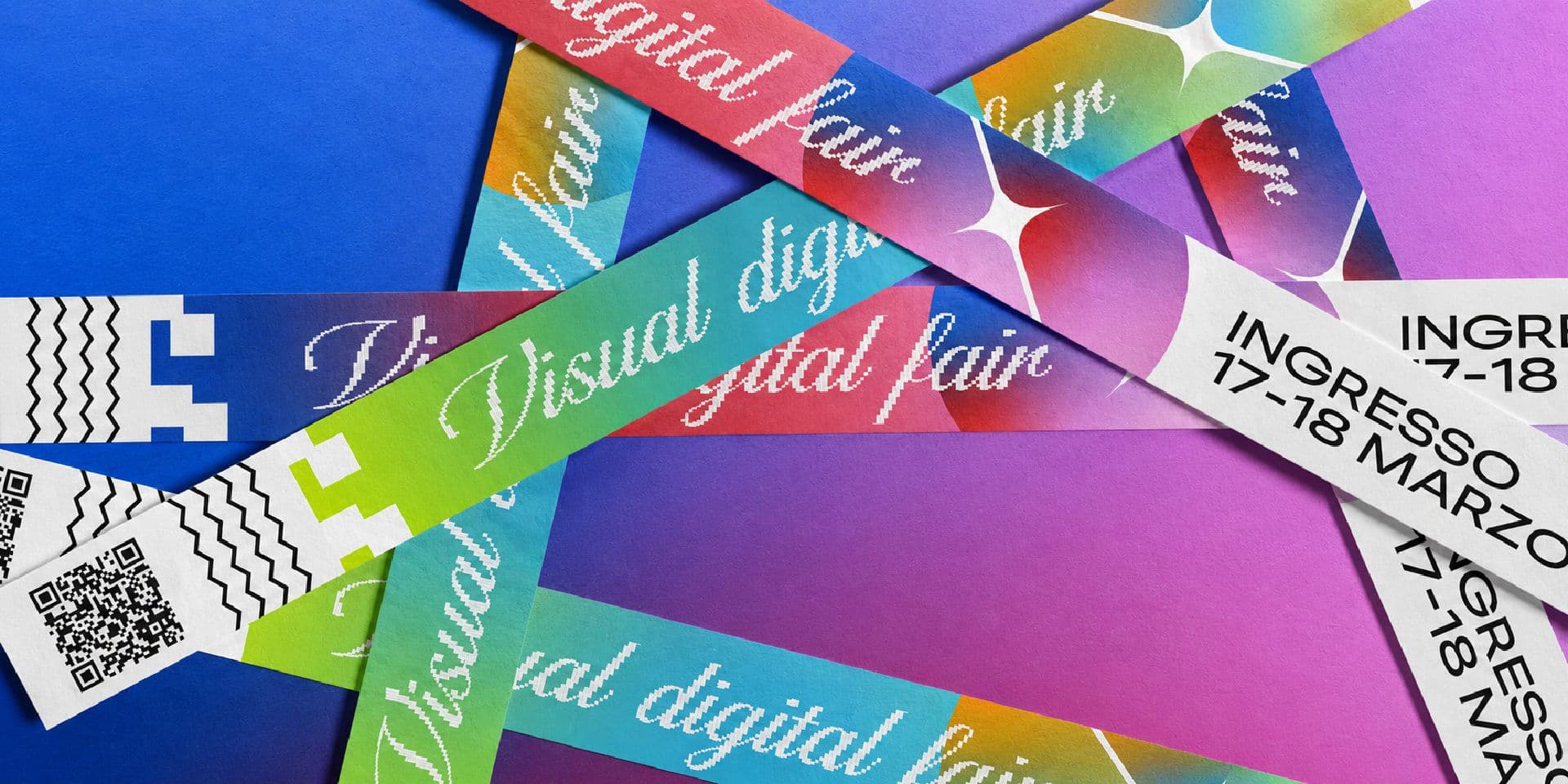
Graphic materials for events: what you need to communicate before, during, and after
Graphic materials for events do not just serve to promote a date. They serve to build a journey: before, they attract attention and explain why to participate; during the event, they help the audience find their way around; after, they allow you to recount what happened and prepare for future editions.
For this reason, an event should not be handled as a sum of last-minute files. Posters, social media posts, invitations, programs, badges, panels, signage, totems, slides, backdrops, and follow-up materials must be born from the same visual logic. Formats change, but the way the event presents itself should not.
Before the event: making yourself understood and driving registration
Before the event, graphics must make the project recognizable and communicate essential information: theme, date, venue, target audience, registration method, and why it is worth attending.
An article by AddEvent on communication plans for events emphasizes that communication must cover all phases: before, during, and after. Before the event, information such as the program, artists or speakers, schedules, and invitations become central.
In this phase, the most useful materials are:
- save the dates, invitations, posters, and short-form programs;
- social media graphics, newsletters, banners, and registration pages;
- materials for partners, sponsors, speakers, and the press office.
The point is not to produce everything immediately, but to establish a hierarchy. Some materials generate interest, others explain, and others convert interest into registration or attendance. If they have different styles, the journey becomes less clear.
During the event: welcoming and guiding
During the event, graphic materials become part of the experience. They no longer need to convince someone to attend: they need to help those who are already there. Welcome desks, badges, programs, maps, signage, screens, panels, totems, and slides serve to reduce uncertainty and make the flow smoother.
The main materials during the event are:
- badges, passes, programs, maps, and room materials;
- panels, backdrops, desks, totems, and indoor signage;
- slides, screen graphics, and materials for speakers and moderators.
These assets are often what the public sees, touches, and photographs. A well-designed backdrop makes the event recognizable in videos and images. A clear badge facilitates networking. A readable program prevents repeated questions.
Signage and graphics in the space
Environmental graphics are one of the most concrete aspects of event materials. It is not just about scenic design, but about how people find the entrance, check-in, halls, restrooms, coat check, catering area, exits, information desks, or sponsor spaces.
Wayfound Victoria defines wayfinding as the use of spatial and environmental information to reach a destination, including architecture, landmarks, lighting, paths, and signage.
In an event, signage should not be an afterthought. It must follow the layout of the space: where people arrive, what decisions they need to make, which points risk creating confusion, which information must be visible from afar, and which can be read up close.
Good signage does not clutter the space with signs. It chooses the right spots, uses clear words, maintains consistency with the visual identity, and helps the audience without drawing unnecessary attention.
Accessibility and readable materials
A well-designed event must also be accessible from a communication standpoint. Oversized or undersized text, weak contrast, unclear maps, crowded slides, or hard-to-read programs can cause issues for many people.
For graphics, this means working on legibility, contrast, font size, hierarchy, and simple language. An event does not lose its identity by becoming clearer. On the contrary, a well-designed visual system is recognizable precisely because it organizes information better.
After the event: continuing to communicate
After the event, graphics do not disappear. Photos, videos, reports, thank-you posts, newsletters, certificates, sponsor materials, final presentations, and recap content help give continuity to the project.
This phase is often underestimated. A lot is invested in pre-event promotion and very little in the post-event narrative. Yet post-event materials can consolidate a community, highlight partners and speakers, document results, or build visual memory for a new edition.
Consistency matters here too. If the recap looks like it belongs to another event, part of the effort is lost. If it uses the same visual language, it becomes a natural extension of the identity.
Coordinating materials and production
Graphic materials for events often rely on tight deadlines. Programs change, speakers are confirmed late, venue measurements arrive delayed, sponsors request edits, and printing has strict deadlines.
Because of this, it is useful to distinguish between materials that must be ready early and materials that can be updated later. Identity, invitations, web pages, and initial posts are needed at the beginning. Final programs, badges, signage, and slides require more stable data.
For cultural, corporate, and institutional events, Studio Polpo can design coordinated event materials, helping tie together visual identity, asset production, and adaptations for print, digital, and physical spaces.
The most frequent mistakes
The most common mistakes happen when materials are designed one by one, without an overall vision.
Mistakes to avoid:
- creating only posters and posts, forgetting badges, programs, and signage;
- using uncoordinated formats across print, social media, slides, and event setups;
- leaving follow-ups without graphic materials consistent with the rest of the event.
To these is added an operational mistake: not considering production timelines. A panel, a badge, or a backdrop does not have the same lead time as a social media post. If graphics arrive late, compromises, costs, and temporary fixes increase.
Conclusion
Graphic materials for events serve to communicate an occasion across all its phases. Before, they build interest and explain how to participate. During, they help welcome, guide, and clarify the experience. After, they allow you to tell the story of what happened and provide continuity to the project.
Quality does not depend on the quantity of assets produced, but on their consistency. An event can have few materials, provided they are very clear—or many materials, as long as they stem from the same visual grammar.
If you are organizing an event and want to build a clear, recognizable material system suited for print, digital, and physical spaces, you can contact Studio Polpo to define what is truly needed before, during, and after.
FAQ
What graphic materials are needed for an event?
It depends on the format, but typically invitations, posters, social media graphics, programs, badges, signage, backdrops, slides, speaker materials, and follow-up content are needed.
When should event graphic materials be prepared?
Visual identity and initial communication materials should be prepared at the very beginning. Final programs, badges, signage, and slides can come later, once information is finalized.
Are post-event materials really necessary?
Yes, especially for recurring, cultural, corporate, or institutional events. Reports, recaps, photos, videos, and newsletters help maintain momentum, add value for partners, and prepare for future editions.