Editorial design or simple layout? Differences, common mistakes, and the value of the project
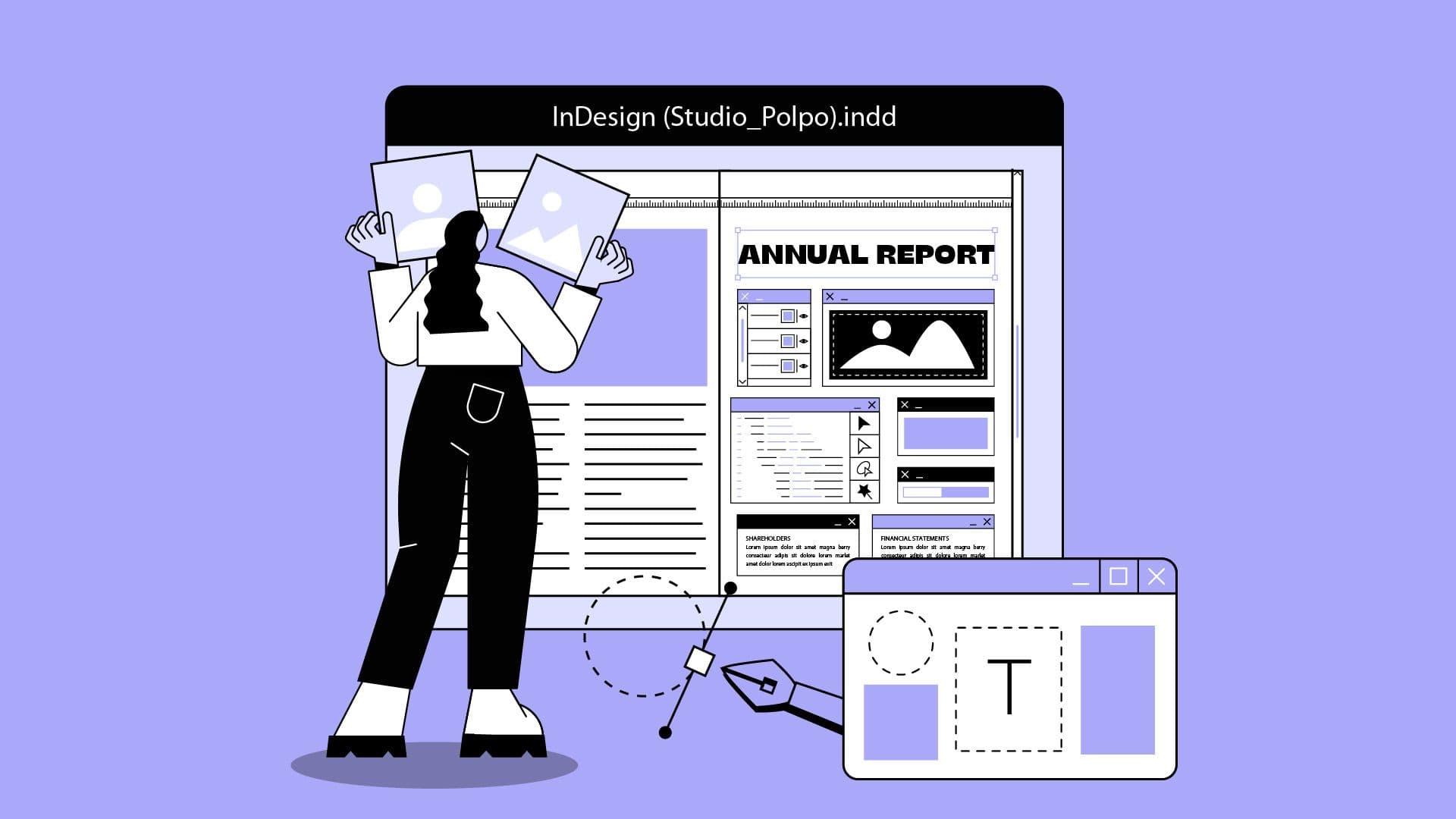
Many editorial projects start with a seemingly simple request: “we need a layout.” In some cases, that is indeed the case. In many others, however, that need hides something broader. Because laying out and designing are not the same thing. Layout can be an executive phase, while editorial design is a structure of decisions concerning tone, hierarchy, rhythm, images, elements, readability, and the overall quality of the experience.
Understanding this difference also helps clients not to complicate the work, but to avoid the wrong expectations. If the content is simple and already very organized, a good layout may suffice. If, however, the publication must represent a brand, guide the reader, support data, enhance images, or last over time, then an editorial design project is required.
When we talk about a simple layout, we often think of technical and orderly work. When we talk about editorial design, however, we enter a broader design field. The difference lies right here: in the intention and the ability to build a system. Reflections from the Poynter Institute on editorial page design and those from the Society for News Design on visual storytelling show one thing clearly: form and organization are never neutral, because they change the way content is read and interpreted.
What is layout?
Layout, in the strict sense, is the organization of content within a defined space. It is the stage where texts, images, titles, captions, charts, and boxes are distributed on the page according to pre-set or fairly clear rules.
A good layout can include:
- respecting margins and grids;
- correctly applying styles and formats;
- basic visual order;
- technical management of pages and components.
It is fundamental work and should not be undervalued. But it is not always enough to solve the deeper problems of a publication.
What is editorial design?
Editorial design starts earlier. It asks how the publication should be constructed so that the content finds its most appropriate form. It doesn't limit itself to making things fit on the page; it decides the tone, the visual voice, the way the reader will enter the document, and the system that will hold the entire project together.
In a true editorial design project, the following are defined:
- typographic hierarchies;
- the relationship between text and image;
- reading rhythm;
- treatment of supplemental elements;
- coherence between the interior, cover, and related materials.
As Communication Arts points out, design remains a tool to make content memorable and clear, not just to make it pleasant. In the editorial field, this translates into a very concrete principle: a good publication does not just distribute text and images; it assigns priority, rhythm, tone, and continuity.
The difference, in practice
The difference is not academic. It is very concrete. Layout primarily answers the question: How do we distribute this content on the page? Editorial design answers a broader question: What form must this publication take to be readable, coherent, and meaningful?
Therefore, it can be said that:
- every editorial design project also includes layout;
- not every layout is an editorial design project.
Understanding this distinction also allows for better allocation of time and budget, avoiding the mistake of asking an executive phase to solve structural, tonal, or identity problems.
When layout is enough and when design is needed
There are cases where a simple layout is sufficient—for example, when the document is highly standardized, has a pre-defined structure, requires few typographic choices, and does not have a strong representational function.
Conversely, a more complete project is needed when:
- the document must tell a story or enhance an identity;
- it contains many levels of information;
- it alternates text, data, images, boxes, chapters, and sidebars;
- it must last over time or become a basis for future publications;
- it must convey perceived quality, authority, and consistency.
This often happens with books, catalogs, magazines, annual reports, company profiles, and institutional publications.
If you already have content ready but aren't sure if a layout is enough, the first step isn't to start with the layout itself. It is to understand what kind of project you truly need. Studio Polpo can help you navigate this difference, avoiding purely technical solutions when the document instead requires a stronger editorial structure.
Often, value is born right here: from distinguishing executive work from design work before it’s too late.
Common mistakes when confusing the two
Many problems arise from this very confusion:
- Thinking the document will look strong just because it is orderly.
- Using a generic template for content that needs its own visual voice.
- Intervening too late on hierarchy, when the material is already "locked."
- Focusing on the cover but neglecting the internal reading experience.
- Assigning layout alone the task of making a publication memorable.
In all these cases, the document may be formally correct but not truly successful.
Why design increases perceived value
A true editorial design project increases perceived value in very concrete ways. It makes a report look more solid, a volume more authoritative, a series more coherent, and a magazine more readable. Not because it adds ornaments, but because it builds an experience.
Clarity, structure, and accessibility increase the perceived quality of the content. This observation is also valuable for distinguishing layout from editorial design: a publication can be technically orderly, but it only becomes truly effective when the form helps the reader understand better.
This is where the project adds value:
- it reduces friction;
- it builds identity;
- it helps the content be better remembered;
- it makes life easier for those who will have to update, reprint, or extend the material.
Why simple layout is sometimes not enough
The point is not to devalue layout, but to recognize its limits when the content demands more. An important document doesn't just need to stand up; it needs to hold its own over time, represent its author well, and offer a credible reading experience.
When this aspect is ignored, a curious thing often happens: the material looks finished, but not truly complete. It lacks direction. It lacks the feeling that every element is part of the same system. In short, it lacks the design.
Not every publication requires the same design investment, but all need clarity on the scope of the work. Studio Polpo works specifically on this threshold: understanding when a well-executed layout is enough and when editorial design is needed to truly enhance the content.
If you are preparing a book, a catalog, a magazine, or a report and want to avoid an important piece of material looking just "put in order," the right project begins here: with the difference between execution and vision.
FAQ
Are layout and editorial design the same thing?
No. Layout is one part of the work. Editorial design also includes choices regarding tone, hierarchy, visual systems, and the construction of the reading experience.
Is a template enough for a corporate report?
It depends. If the content is simple and standardized, it might be enough; but reports often require a broader level of design to be truly clear and authoritative.
Can a book with few graphic elements still have a strong editorial design?
Absolutely. Editorial design is not measured by the quantity of graphic marks, but by the quality of the choices that support the reading.