Editorial design: what it truly means and why it changes the quality of a publication
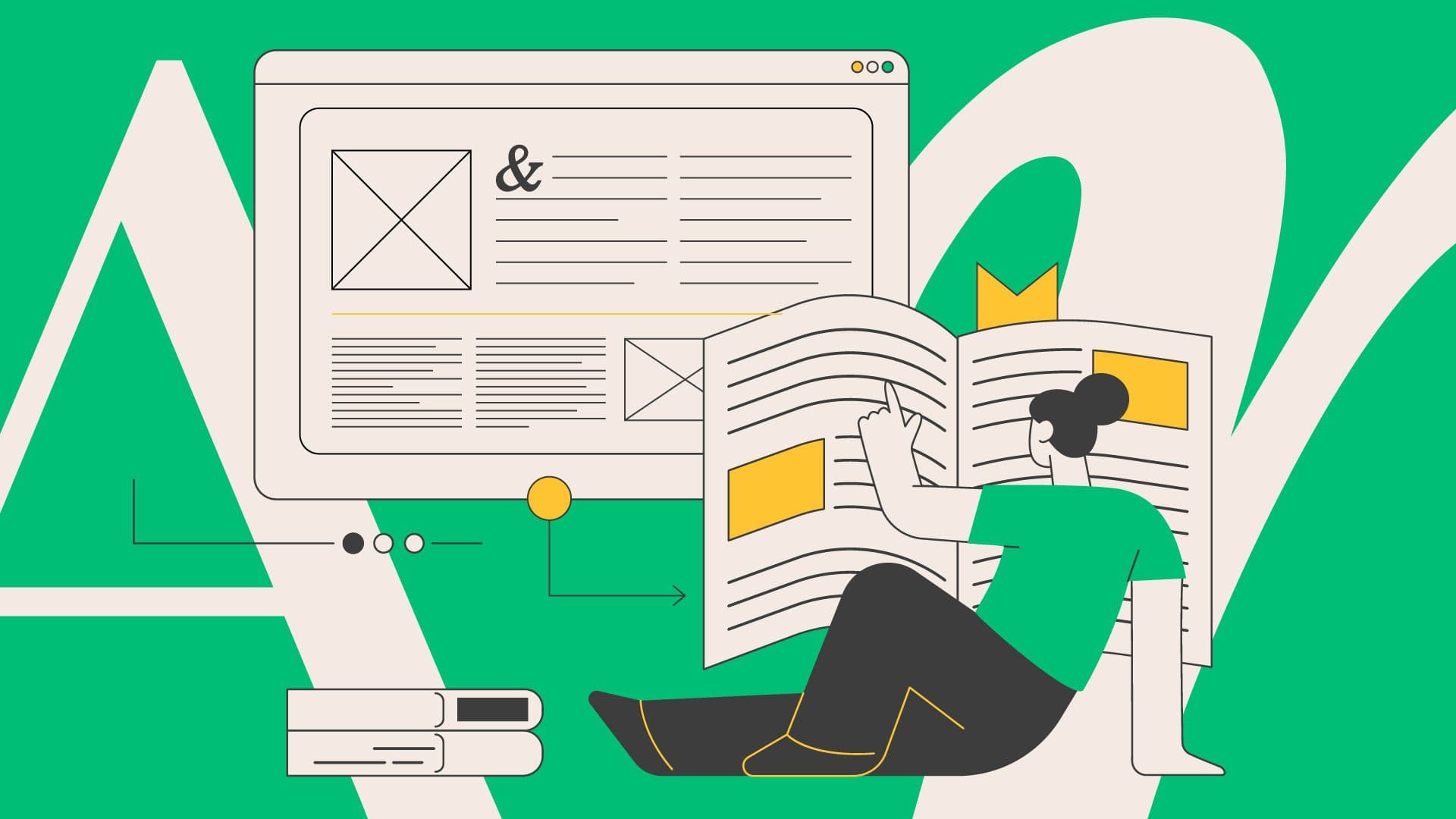
Editorial design is often confused with an executive, almost technical phase, where texts and images are simply distributed on a page. In reality, it is much more. It is the work that determines how content takes shape, what relationship it will have with the reader, what rhythm will sustain the consultation, and what visual identity it will build over time. It is not just about the correctness of a layout; it is about the overall quality of the reading experience.
This applies to a book, a magazine, an art catalog, a company profile, or a report. Every time content needs to be read, flipped through, consulted, or preserved, the editorial form impacts its perceived value. In a widely cited deep dive, Creative Bloq explains that editorial design doesn't just consist of putting things in order, but in deciding how structure, imagery, typography, and rhythm work together to make content stronger and more understandable. This is an essential point because it immediately clarifies that editorial design is not a final embellishment: it is a part of the content itself.
This is why it carries even more weight today. As content moves across paper, PDFs, websites, presentations, and digital media, the need to build readable, coherent, and recognizable systems grows. Good editorial design holds together function, tone, and identity. And it is precisely this balance that changes the quality of a publication.
What designing editorially truly means
Designing editorially doesn't mean choosing an elegant font and a tidy grid. It means understanding how the content should be navigated and what kind of relationship it wants to establish with the reader. A publication is not just a container: it is a journey. And like every journey, it needs hierarchies, pauses, entry points, continuity, and moments of variation.
When a project is set up well, the reader immediately perceives that everything has a logic. They know where to look, intuit the weight of the sections, distinguish information levels, and understand if they are inside an object that is more institutional, narrative, informative, or cultural. Even Art Director Veronica Ditting, in an interview collected by Creative Bloq, insists that an editorial approach always starts from the content: the visual form is born to support it, not to overpower it.
A well-designed project:
- defines hierarchies between titles, subtitles, text, sidebars, and images;
- builds a rhythm that makes reading more natural and less tiring;
- gives the project a recognizable and consistent visual voice;
- establishes rules that allow for continuity even across different issues or media.
When this direction is missing, even valid content tends to get lost. Not because it lacks quality, but because it hasn't found a form capable of sustaining it all the way.
Why the design truly changes the quality of a publication
The difference between a publication that is simply "laid out" and one that is truly "designed" is visible almost immediately. In the first case, the content may be correct, but it tends to look generic, poorly prioritized, or unable to leave a visual memory. In the second case, however, the form works in favor of the content: it makes it clearer, more readable, and more authoritative.
This difference is especially evident in long or layered projects. A book with many chapters, a magazine with different columns, a report with data and summaries, or a catalog with images and critical essays cannot be managed just as files to be neatly closed. They need direction. And that is exactly what editorial design does: it builds a readable structure, but also a visual presence capable of giving strength to the content.
In an article dedicated to the rules of editorial design, Creative Bloq reminds us that grid, contrast, typographic pace, and hierarchy are not formal details, but tools that determine the way information is presented and understood. This observation is also very useful for a client: it clarifies that investing in editorial design means intervening in the quality of the experience, not just a simple restyling of the page.
Where the value of the design is most evident
The value of editorial design emerges above all when the content must stand the test of time or represent something larger than itself: a brand, an institution, a series, an exhibition, a publication, or a methodology. In these cases, the form's task is not just to be tidy; it must also convey a tone, a position, and credibility.
Its value is seen:
- in books, when reading continuity must remain solid for many pages;
- in magazines, when variety and identity must coexist issue after issue;
- in catalogs, when artworks, texts, and sidebars require a delicate balance;
- in reports and corporate materials, when informational complexity must be made readable without losing authority.
If you are working on an important publication and feel the material is correct but not yet strong enough, the issue often isn't about making "prettier" graphics. It is about understanding which editorial design can truly sustain that content. Studio Polpo can help you transform texts, images, and sidebars into a clearer, more coherent, and more recognizable system, so that the publication doesn't just function: it manages to represent what it contains well.
The most frequent mistakes
Many problems arise when editorial design is approached too late or reduced to a matter of taste. In that case, one tries to solve issues with form that actually concern structure, hierarchy, and overall setup.
Common errors:
- thinking of layout as a final phase rather than a part of the project;
- making everything visually identical, removing priority and breathing room from the content;
- building correct pages that lack a true editorial identity;
- treating different media and uses with the same scheme, without adapting the system.
The result is often material that is formally tidy but weak: it is read, but it doesn't guide; it informs, but doesn't build memory; it appears correct, but not truly complete.
Conclusion
Editorial design matters because it transforms content into a credible, readable, and recognizable reading experience. It doesn't stop at fixing a page: it builds the way that publication will be read, perceived, and remembered.
If you want to give a book, a magazine, a catalog, or a report a more solid and coherent form, the starting point is precisely this: understanding what design the content truly needs. Studio Polpo works on publications that must hold together hierarchy, rhythm, and identity, so that every material can find not only its order but also its voice.
FAQ
Does editorial design coincide with layout (impaginazione)?
No. Layout is a part of the work, while editorial design also concerns hierarchy, tone, rhythm, identity, and the overall structure of the publication.
Is it only for books and magazines?
No. Reports, catalogs, company profiles, and institutional materials can also benefit from a well-constructed editorial design.
When do you realize you truly need it?
Usually when the content is valid but the material still appears generic, poorly guided, or unable to clearly convey the level of the project.