Animated text for social media: how to make words the protagonists in video content
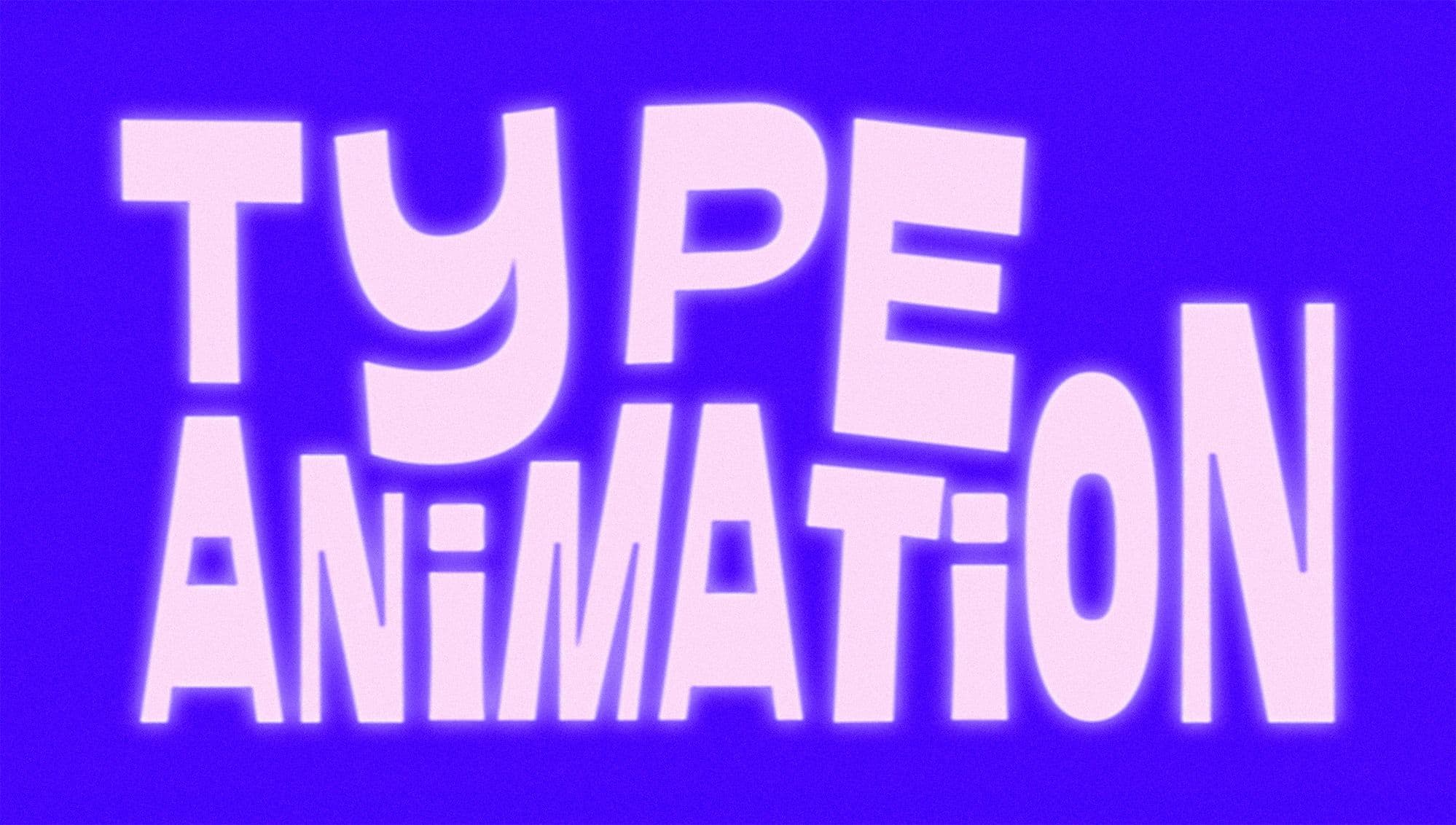
In social media content, text is no longer just a caption. More and more often, it becomes part of the image: it enters the rhythm of the video, accompanies a gesture, follows an object, deforms, appears to the beat of the music, or builds the entire scene on its own. This is where animated text for social media becomes an important motion graphics tool: not just words to read, but words to look at.
In professional circles, this is also referred to as kinetic typography—meaning text in motion. The term is technical, but the principle is concrete: a word can appear, accelerate, vibrate, compress, rotate, or follow an element in the scene. The movement, however, should not be an ornamental addition. It must help provide emphasis, build rhythm, explain a step, or transform a phrase into a visual element.
A study published in Humanities and Social Sciences Communications defines kinetic typography as text in motion and analyzes its value in educational communication: animated text can present information in sequence and accompany the logical flow of the content. On social media as well, the point is not simply to "move" a word, but to decide what role it should play in the visual narrative.
What it means to use animated text on social media
Using animated text does not simply mean having a piece of writing slide onto the screen. It means deciding how words should behave inside a video: when they appear, how long they last, how they move, what rhythm they establish in relation to images and sound, and what hierarchy they build compared to other elements.
A phrase that enters slowly communicates something different than the same phrase appearing suddenly. A word broken down into syllables can build tension. A title that follows a gesture can feel like part of the scene. A text that vibrates, compresses, or expands can make a tone visible, not just an information.
Research from Carnegie Mellon University titled Using Kinetic Typography to Convey Emotion in Text-Based Interpersonal Communication describes kinetic typography as text that moves or changes over time, suggesting that these dynamic properties can reinforce the emotional tone of written communication. In social content, the way a word enters, stays, and disappears can change the perception of the message.
Why animated text works on social media
Social media are fast-paced viewing environments. Users do not watch content in isolation; they encounter it within a continuous stream of images, videos, texts, notifications, and competing stimuli. In this context, animated text can immediately provide an entry point: a keyword, a promise, a question, or a visual cue.
It can help especially when it needs to:
- immediately clarify the theme of the video;
- give rhythm to very short content;
- make a recurring column or format recognizable.
In a technical insight into text animations for Instagram Stories, Meta shares that in 2020, Instagram introduced new dynamic styles and animations to give users more expressive possibilities across Stories and Reels. While the source does not speak of professional motion graphics in a strict sense, it confirms an important fact: on social platforms, animated text has become an integrated language within the user experience, not a marginal element.
Words as protagonists, not just subtitles
One of the most interesting aspects of animated text is that words can stop being a secondary element. In traditional social media content, text is often added at the end: a title above the video, a subtitle, a call to action, or a useful phrase to explain what is being seen. When text becomes the protagonist, however, it can build rhythm, tone, and structure entirely on its own.
If text is the center of the composition, choosing a legible font is not enough. You must decide how it behaves: does it enter gently or sharply? Does it occupy the entire screen or stay anchored to an object? Does it follow the beat of the music or create a contrast? Does it deform to communicate energy, pressure, noise, lightness, or speed?
In many social media videos, text can almost become a character. It can react to a voice, emphasize a keyword, transform data into an image, or make an ironic tone visible. This approach works well when the video lacks a strong initial visual component: a well-animated phrase can build rhythm even from simple materials.
Distortions, rhythm, and text-tracking
Distortions are among the most widely used techniques to make text expressive. A word can stretch, bend, vibrate, compress, or expand. These effects work when they visually translate the meaning of the word or the tone of the content. A word linked to speed can fly out of the frame; a term indicating pressure can squash; musical content can use vibrations and oscillations to visualize sound.
Appearing to the beat of the music can also bring strength to social content. A word can pop up on a bass drum hit, a phrase can break down into syllables, or a title can arrive alongside a scene change. Synchronization, however, should not become a cage. Not every word needs to fall perfectly on the beat: rhythm often comes from the alternation between movement and pause.
Text-tracking can be explained as text that follows an object, a person, a surface, or the camera movement. Motion tracking is a technique that allows text, logos, or graphic elements to follow the movement of cars, people, environmental elements, or the camera. For social media, this makes the text feel less "pasted" on top of the image and more integrated into the scene.
It can work particularly well when the text needs to:
- follow a moving product or object;
- highlight a specific detail in the scene;
- accompany a gesture without covering the image.
Legibility before the effect
Animated text thrives on movement, but legibility remains central. A piece of content can be creative, dynamic, and polished, but if the user cannot read the message, the animation is not doing its job.
Research from the Nielsen Norman Group on online reading behavior shows that people tend to scan content rather than read it word for word. In a social media video, this behavior becomes even faster: the user must understand immediately where to look, which word matters, and what kind of content is beginning.
For this reason, keywords must take priority, long phrases should be broken up, and the screen time must be sufficient to read, not just to see the effect. The text should not be chased: it must guide the eye.
Animated text and visual identity
When used consistently, animated text can become part of the visual identity of a brand, a campaign, or a social media column. It is not just about animating different titles, but about defining a grammar: how words enter, how long they last, how they react to music, what deformations are allowed, and how much space the text occupies compared to the image.
This grammar can make highly diverse contents recognizable. A brand might have a certain way of revealing titles, a recurring speed, a specific relationship between text and sound, or a recognizable use of elastic letters and text following objects. Even without seeing the logo immediately, the user can perceive a consistent tone.
Because of this, animated text should not be treated as an effect chosen at the end. It is part of the visual system and can be designed alongside palettes, typefaces, layouts, photography, illustration, and tone of voice. If you want to build social media content where text, rhythm, and identity work together, Studio Polpo can help you design a coherent, recognizable motion graphics system tailored for digital formats.
Most frequent errors
In animated text for social media, many mistakes stem from an excess of technical enthusiasm:
- animating too many words simultaneously;
- using distortions that make the text difficult to read;
- inserting text-tracking without a real relationship to the scene.
To these, a more strategic mistake can be added: designing every piece of content as an isolated episode. On social media, especially when publishing consistently, animated text should contribute to building recognizability. Word animation can also become a signature style, provided it is governed by clear rules.
Conclusion
Animated text for social media allows you to transform words into image, rhythm, and narrative. Distortions, appearing to the beat of the music, and text-tracking are not simple effects: they can make content more readable, more dynamic, and more recognizable, as long as they are guided by a clear direction.
Text in motion works when it helps the user understand immediately where to look, which word matters, what tone the content holds, and why it is worth staying. In a fast-moving environment like social media, quality lies not in moving everything, but in moving what serves the message.
If you want to develop animated social content, reels, digital campaigns, or video columns where text becomes a central part of the visual identity, Studio Polpo can help you build more effective, legible, and coherent motion graphics.
FAQ
What is animated text for social media?
It is the use of moving words, titles, or phrases within video content for social media. In technical terms, it is also called kinetic typography, which refers to text that changes over time through movement, rhythm, scale, position, or deformation.
What is text-tracking?
Text-tracking is a technique where text follows the movement of an object, a person, a surface, or the camera. It serves to integrate words into the scene instead of leaving them as a simple overlay.
Is animated text suitable for every brand?
Yes, but not always with the same tone. An institutional brand will use more measured movements, while a musical, sporting, or cultural project can afford rhythm, distortions, and more expressive visual solutions.